The Beginning
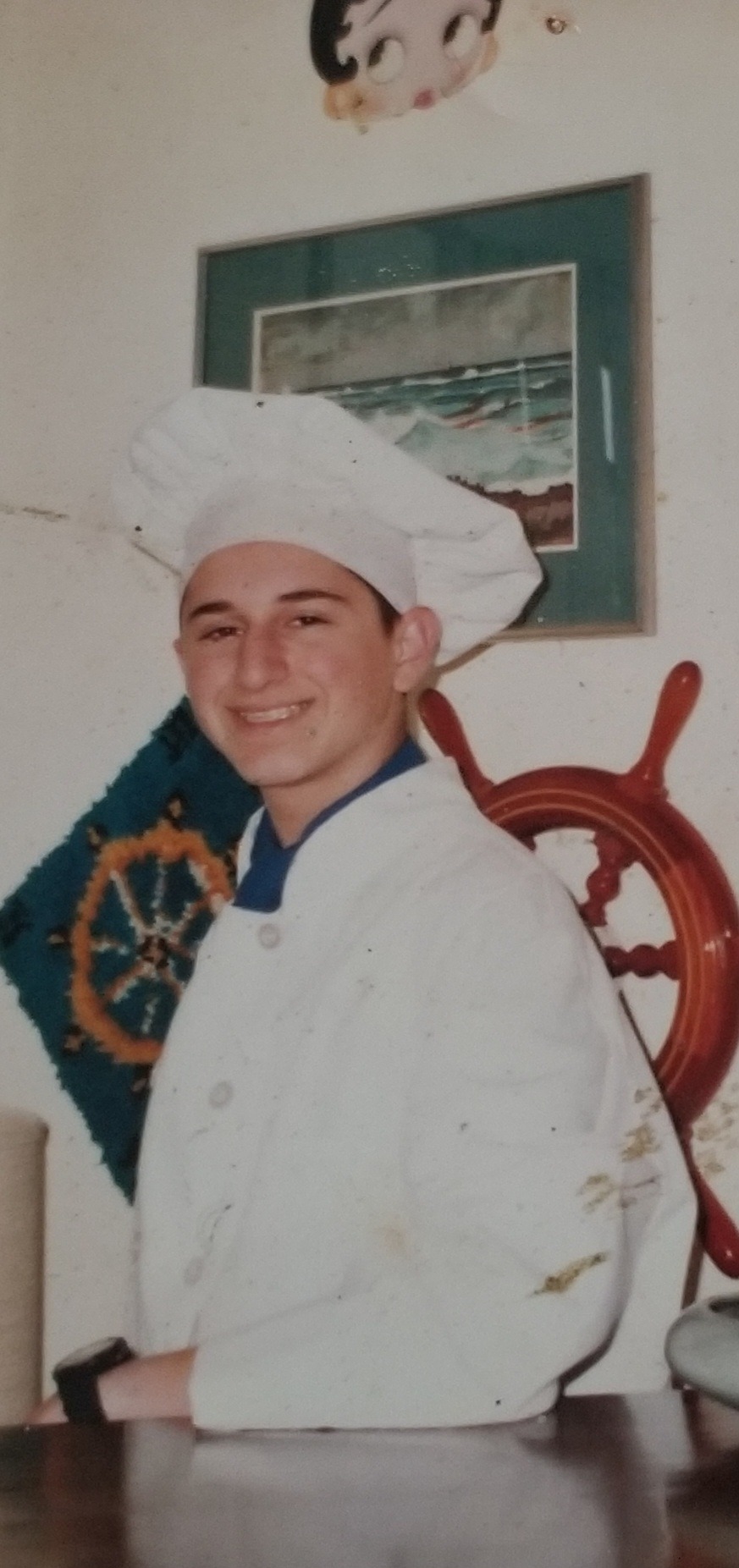
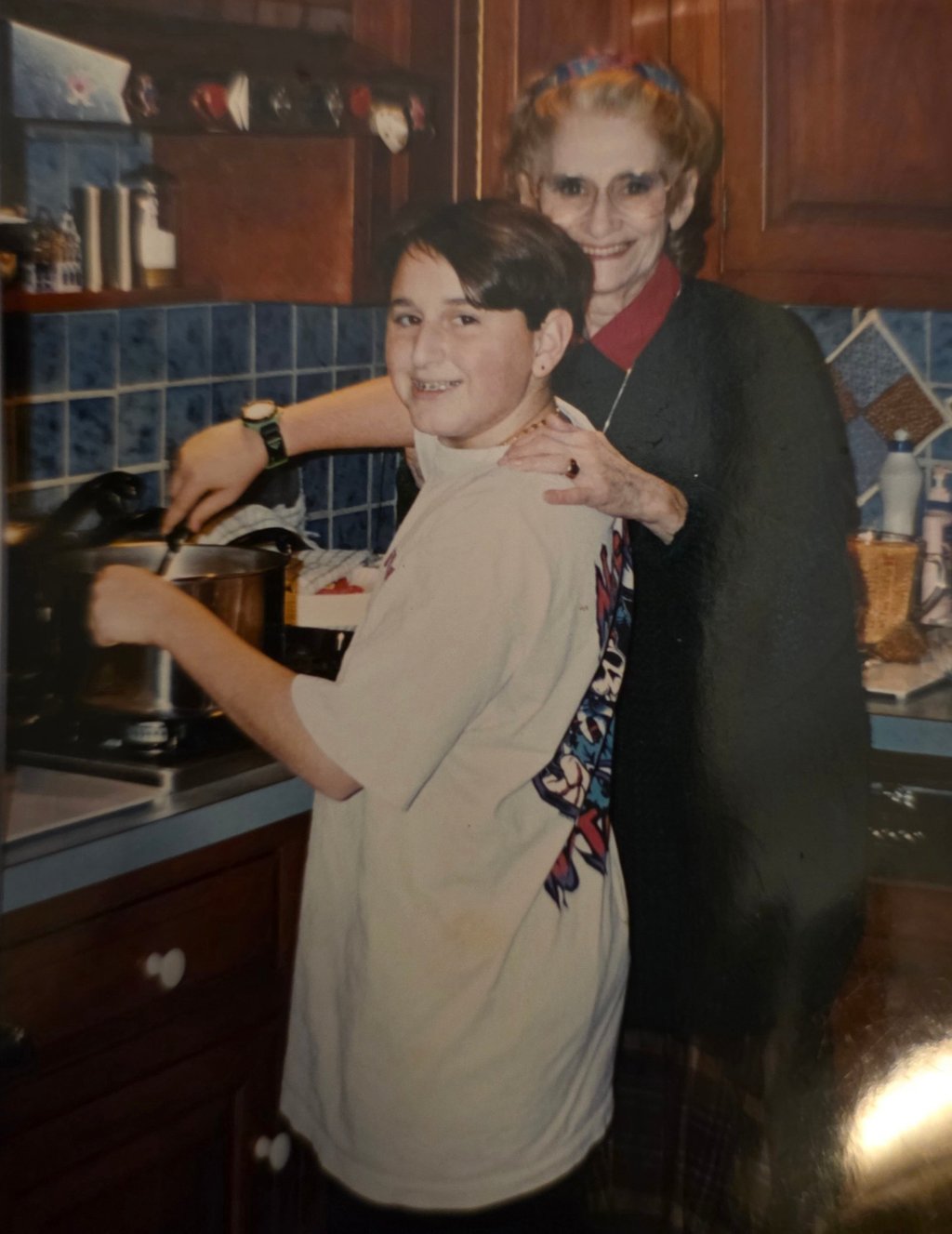
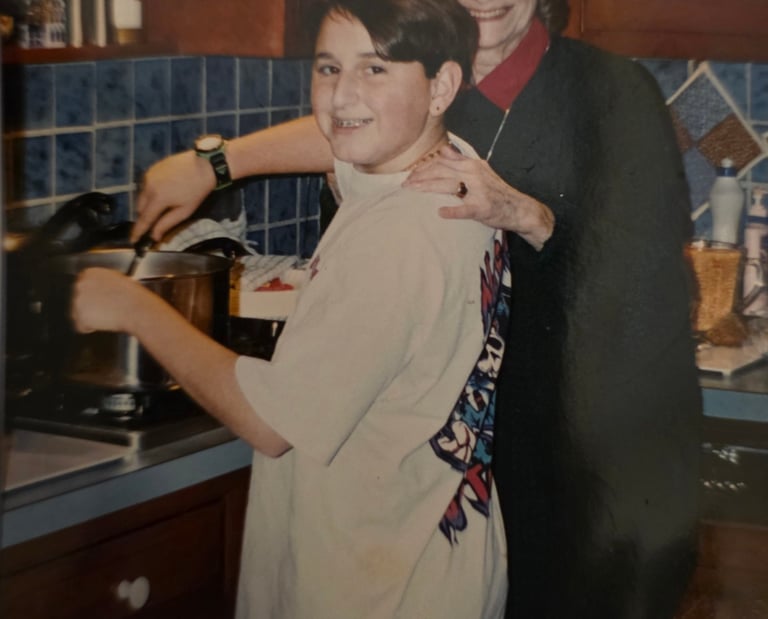
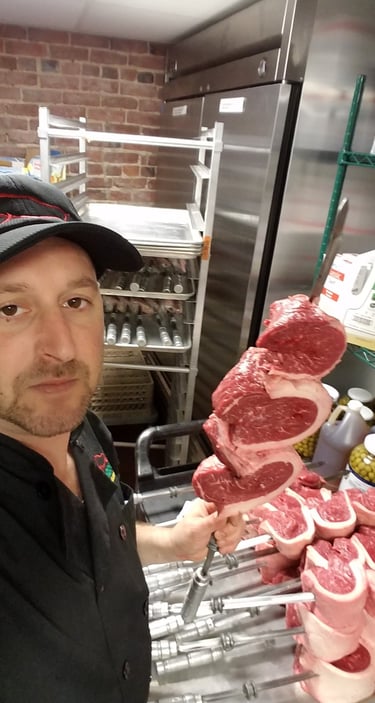
My journey began long before I wore a chef’s coat. It started in my grandmother’s kitchen. A place filled with patience, laughter and the comforting aroma of something simmering on the stove. She didn’t just teach me recipes or how to cook, she taught me about care, comfort and connection. As I reflect now, I realize those moments became the quiet roots of who I am. The hidden memories that still make me smile, the kind that can pull you back in time with just a scent from the stove.
The Student
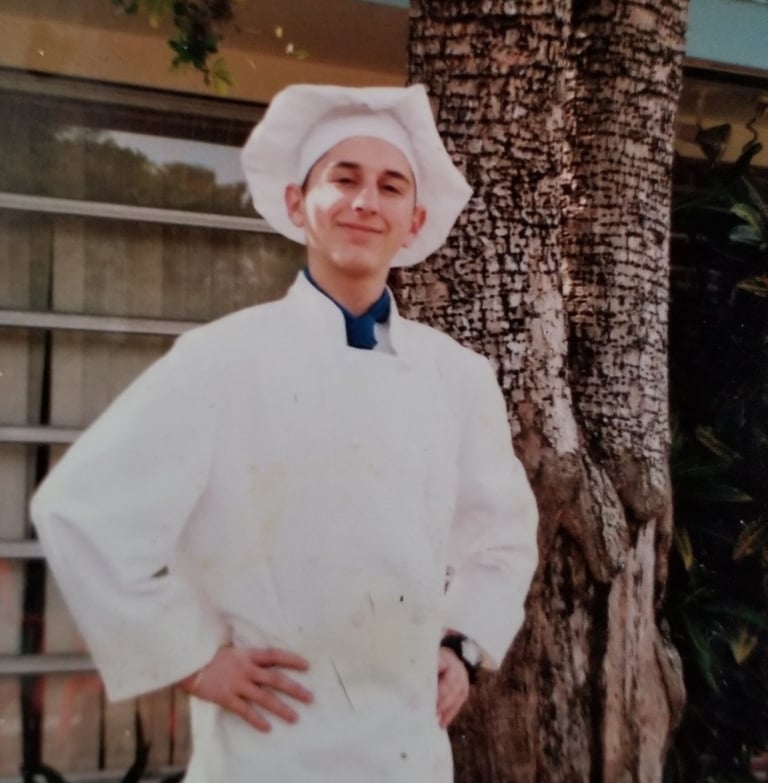
By the time I was fifteen, I was already working in restaurants and knew exactly what I wanted to do with my life. I loved cooking so much that I decided to go all in. With my parents’ support, I left high school, earned my GED at sixteen and enrolled in culinary school the moment I was old enough. Those first classes gave me the foundation I’d been craving. Technique, timing and the confidence to build real skill. Culinary school taught me the essentials and confirmed what I already knew. This wasn’t just a job for me. It was my calling.
The Professional
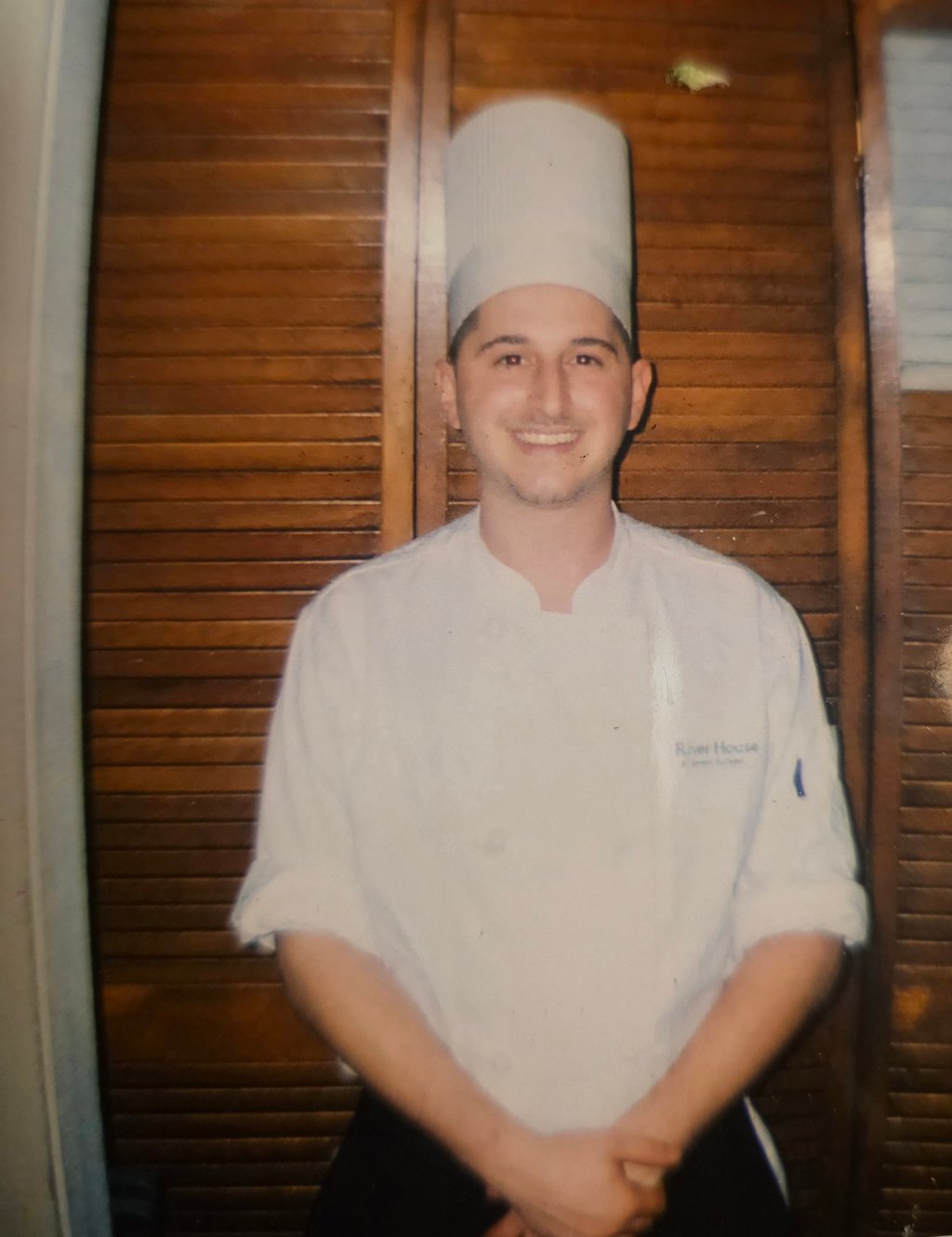
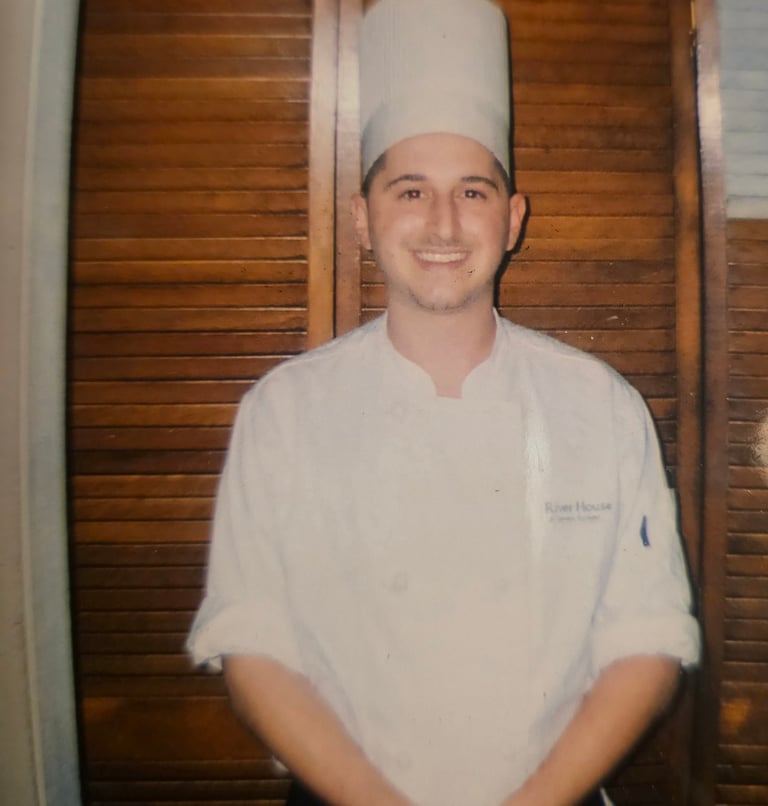
Those early years were all about the craft. The dinner rush, the late-night closings, the long hours that blurred one shift into the next. I learned what it means to earn your place on the line. Every burn, every blister, every ticket called was a lesson. Every shift reminded me that this craft demands both discipline and heart. And thats the best kind of exhaustion The kind that comes from doing what you love.
The Hustle
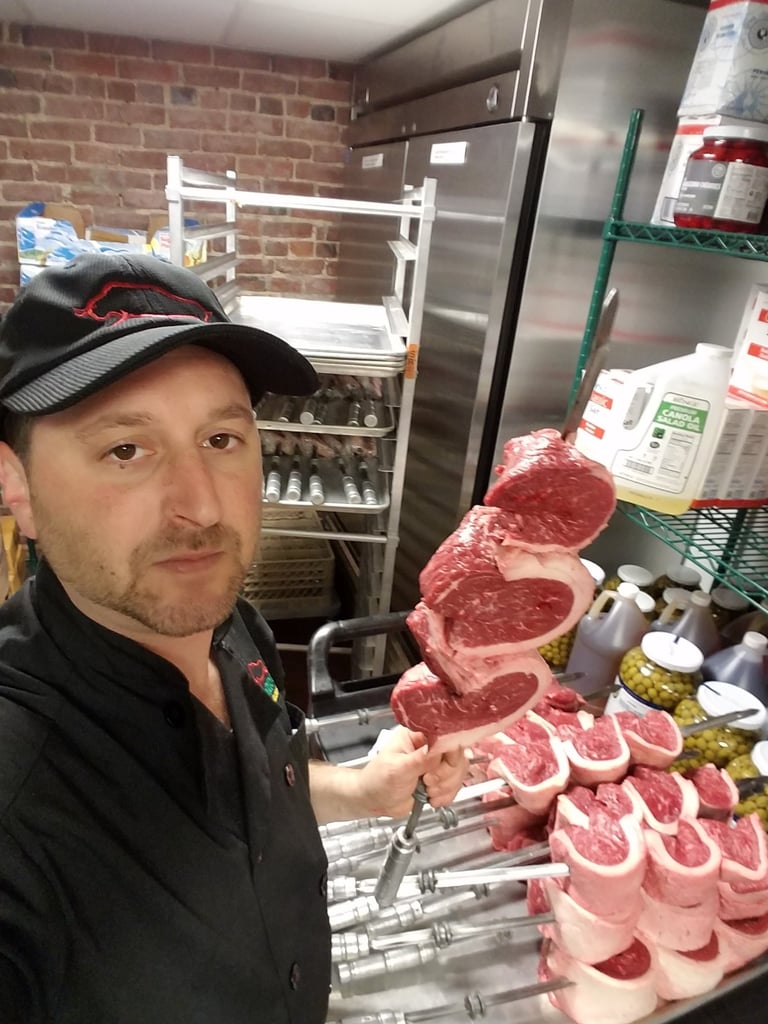
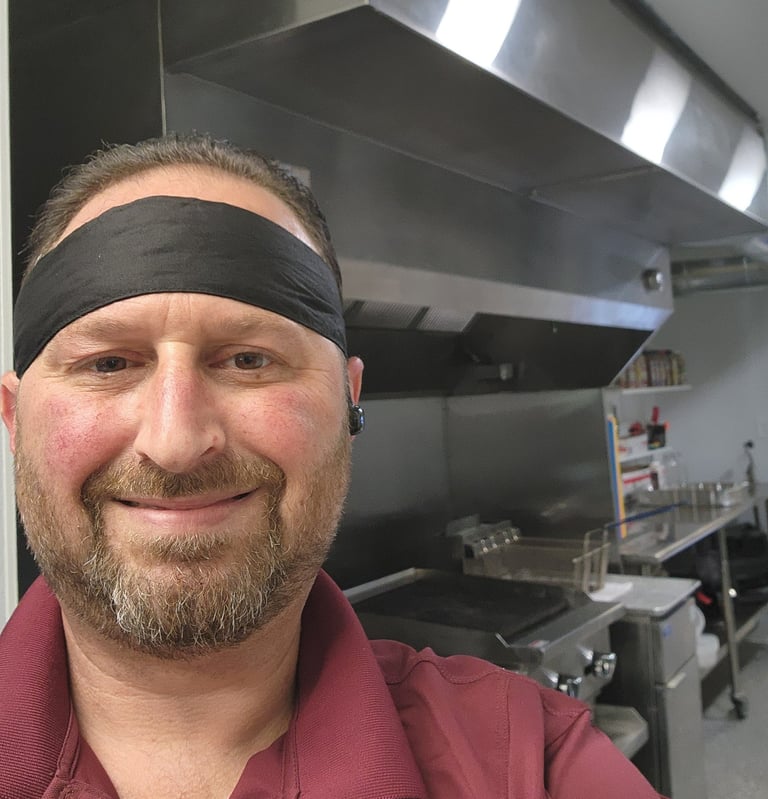
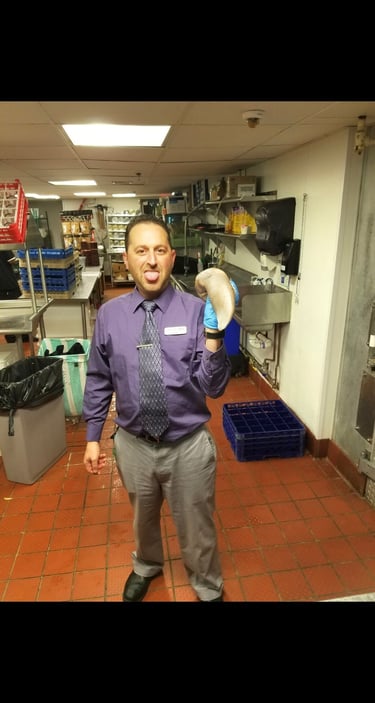
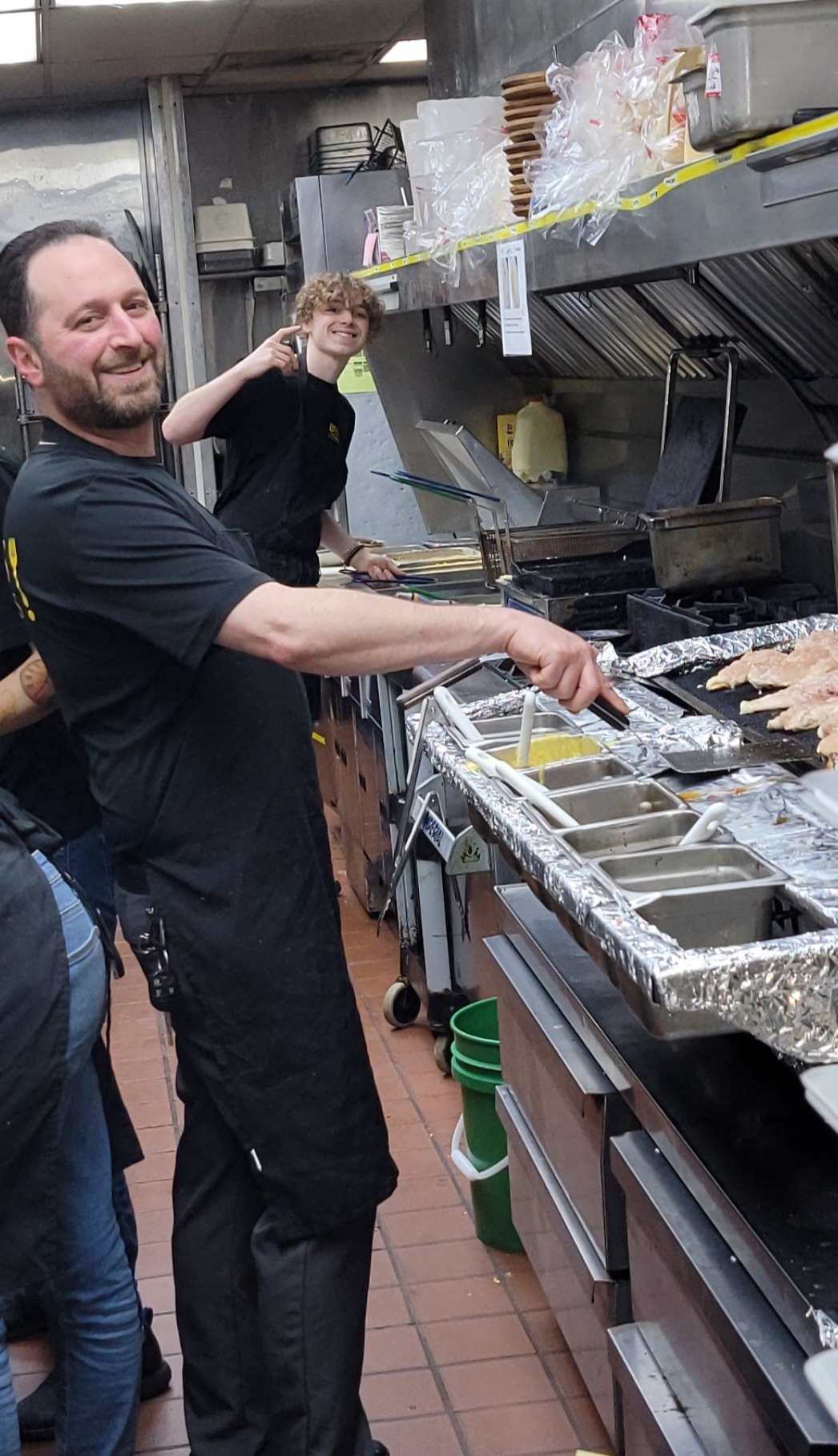
The restaurant grind became my second home. Equal parts chaos and rhythm. I led crews, prepped endless cuts of meat and learned that leadership in the kitchen means feeding your team’s spirit as much as their stomachs. The best nights weren’t always the smoothest. They were the ones when everyone left tired, proud and laughing.
The Legacy
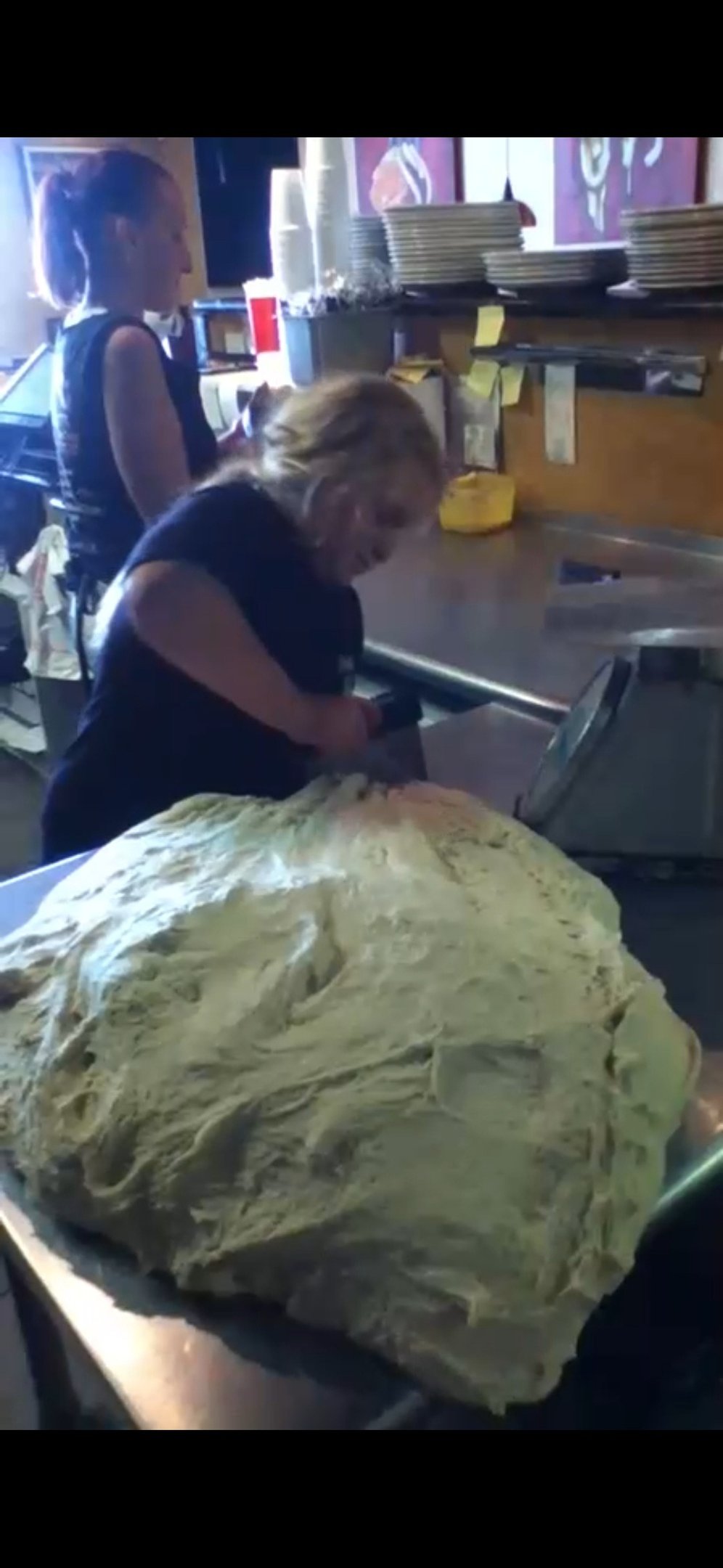
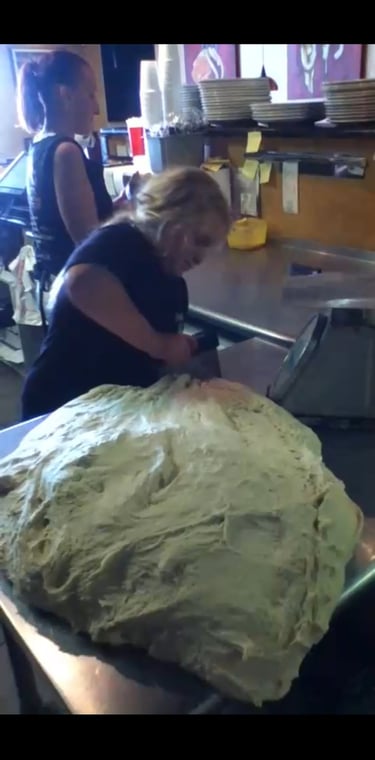
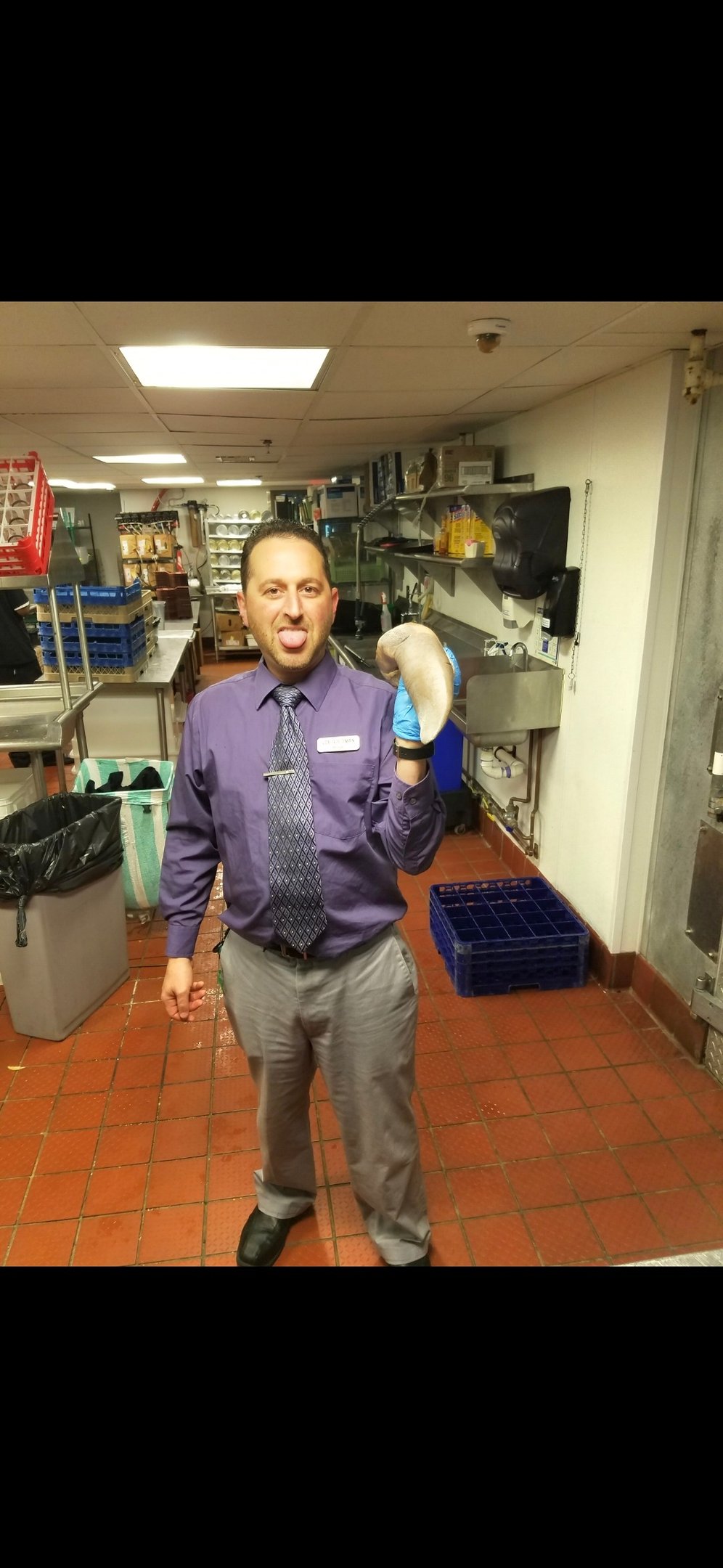
My daughter started working with me at an early age when I was running an Italian restaurant. She’d come in and help me make dough beside my sister, who worked there with me, Three sets of hands shaping tradition, laughter and flour into something lasting. Years later, my son followed in those same footsteps, taking one of his first jobs in the kitchen, shoulder to shoulder with me on the line, learning the rhythm and respect this life demands. Watching them both grow up around the heat, hustle and heart of kitchens reminded me why I started all those years ago. Food isn’t just what we serve. It’s what we share.
The Healer
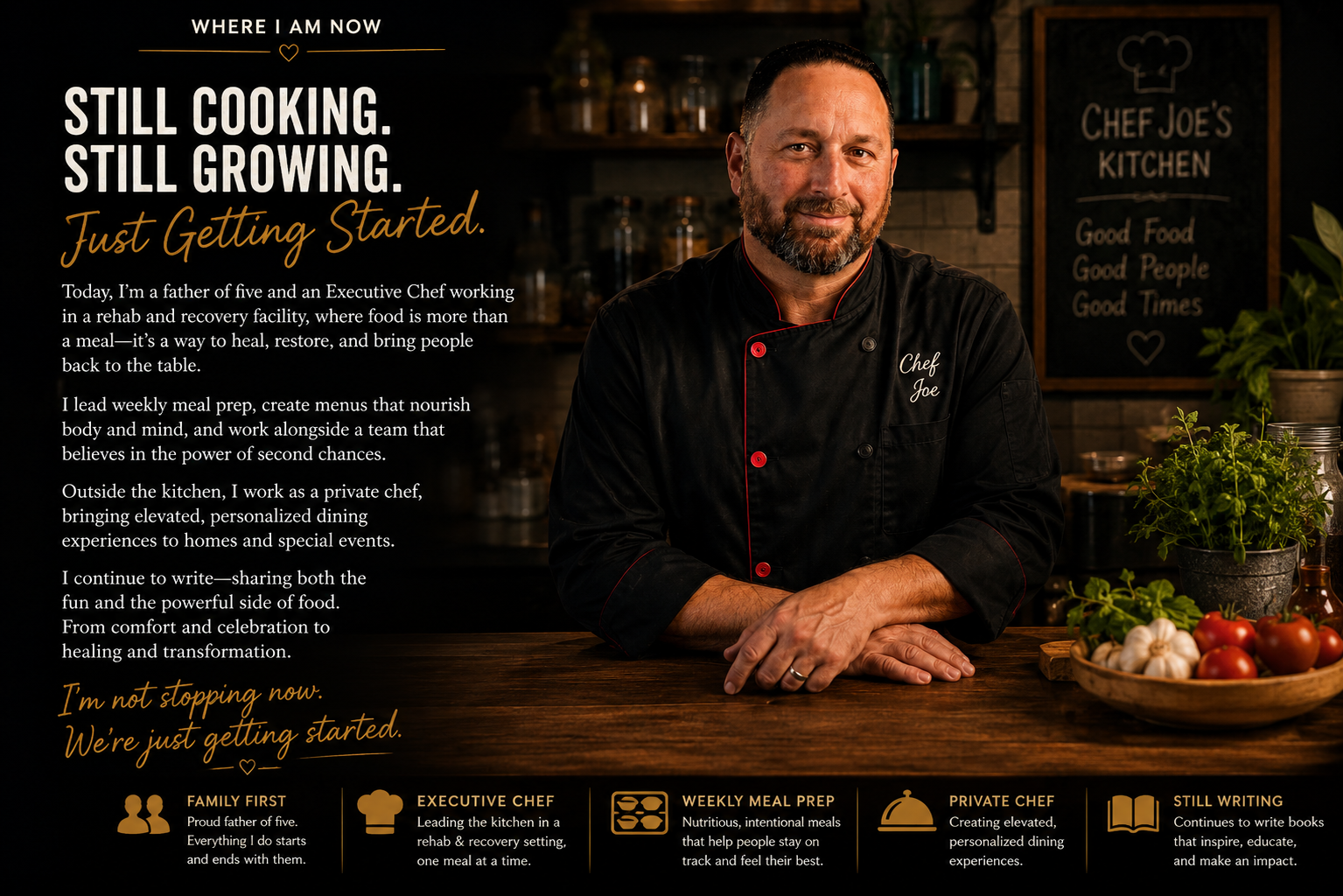
I didn’t set out to work in recovery. It just happened by chance or fate. What I found there changed everything. What started as another kitchen job turned into something much deeper. Over the years, cooking in a recovery setting showed me the quiet power food has to help people rebuild their lives. A simple meal could calm a storm, spark a memory or remind someone that they still mattered. Meals became more than nourishment, they were connection, dignity and care. That experience reshaped how I cook, how I lead and how I understand the real work of a chef. One plate at a time.
The Legacy Lives On
Legacy isn’t about reputation or titles. It’s about what we pass forward.
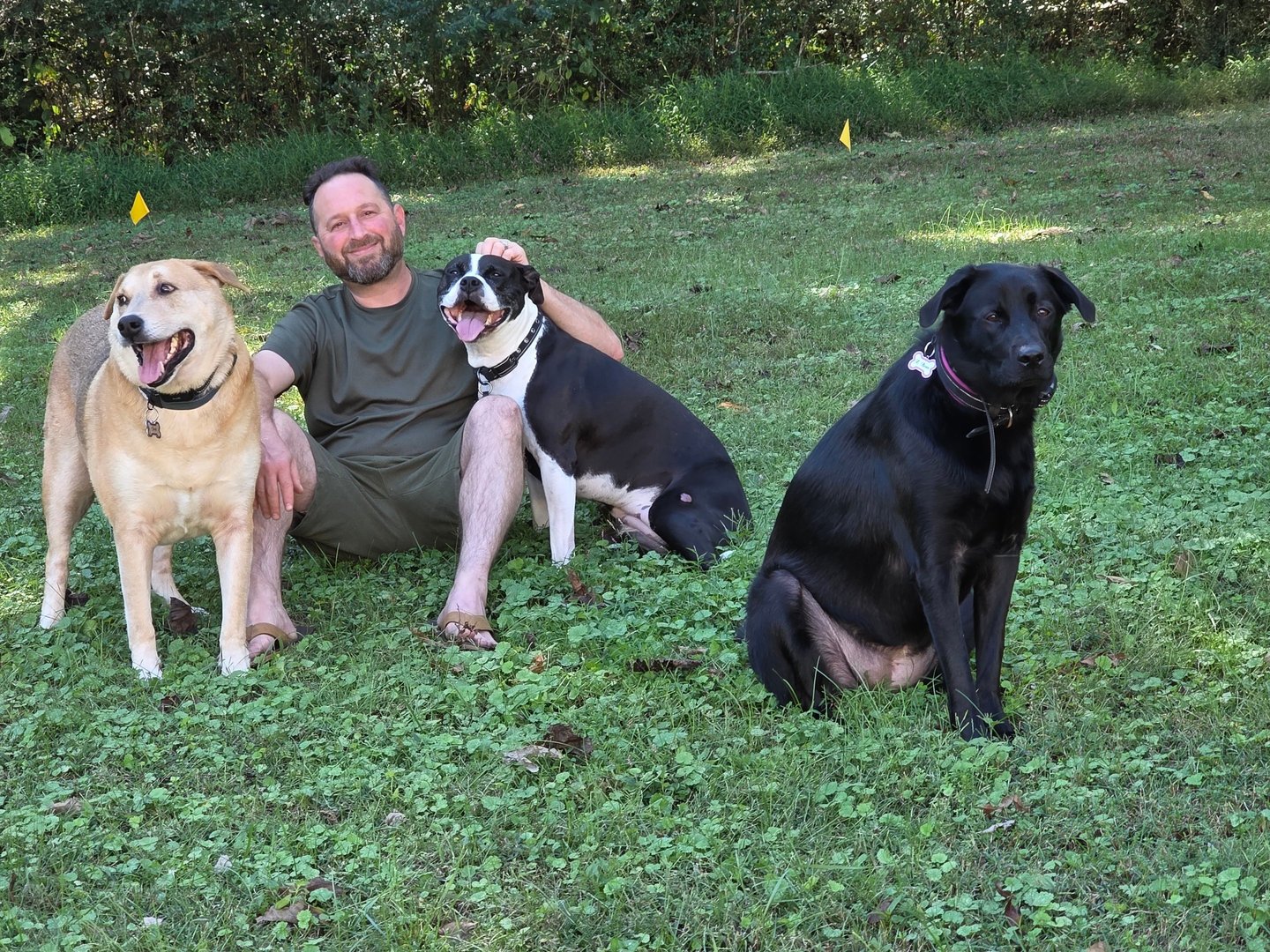
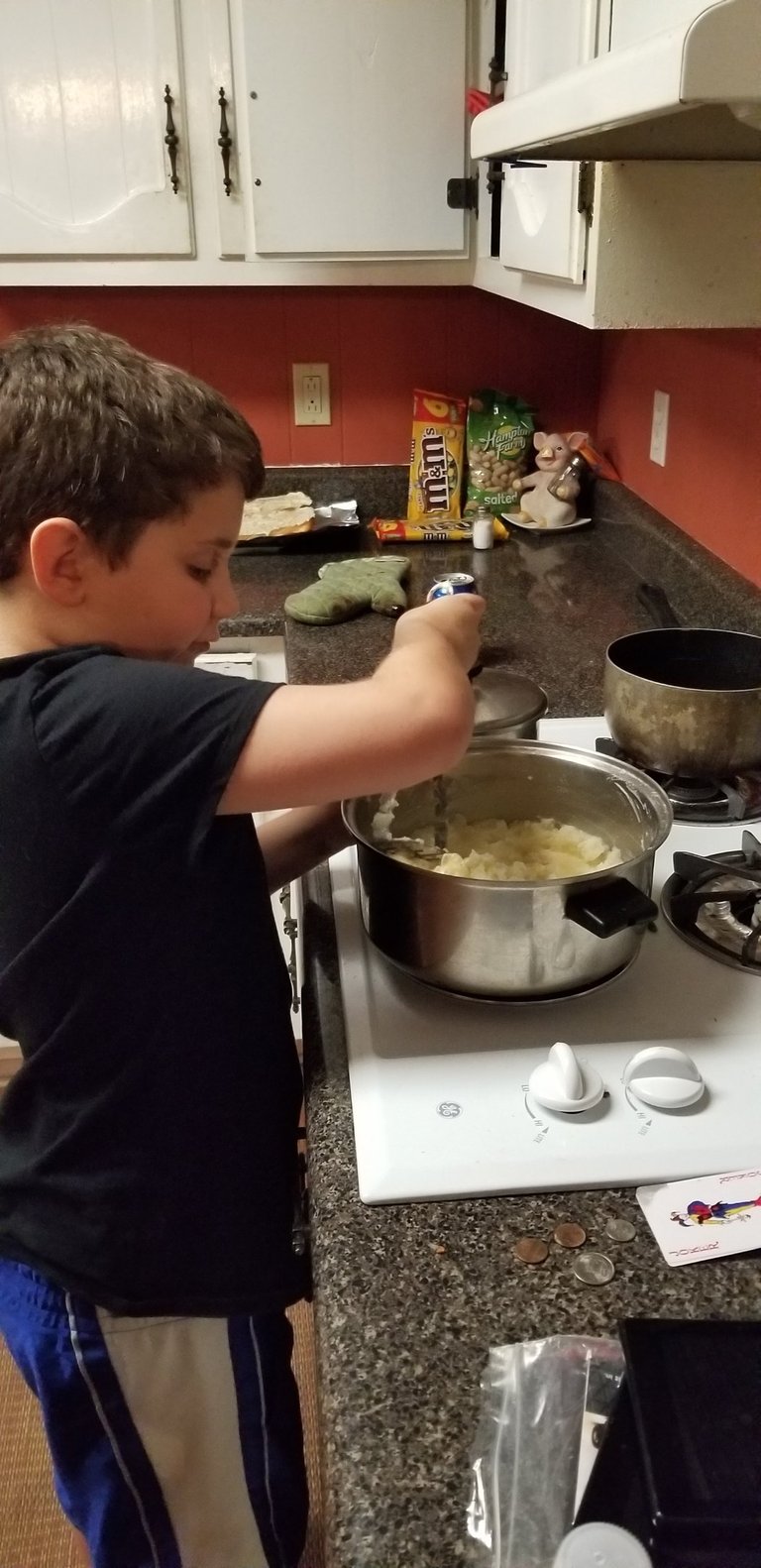
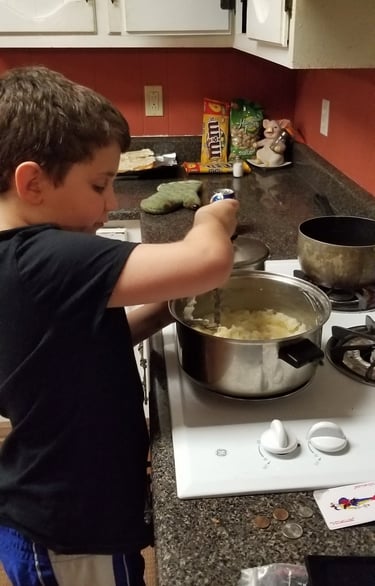
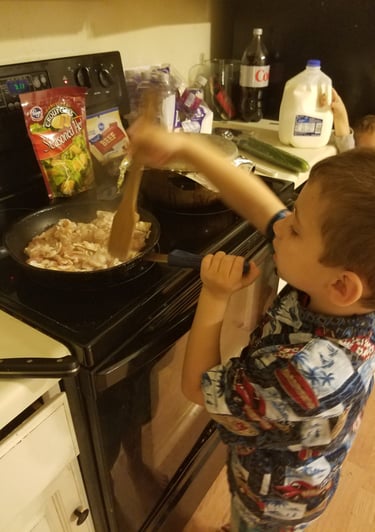
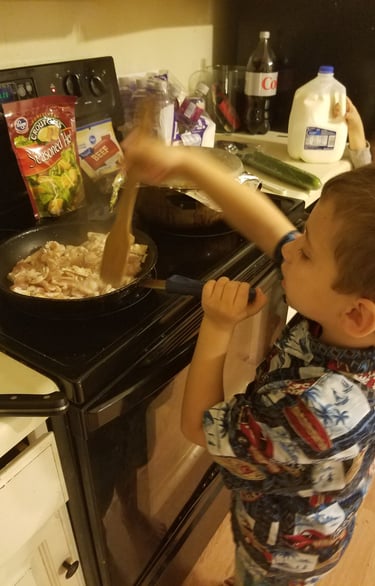
My greatest joy isn’t in the restaurants I’ve run or the dishes I’ve created, but in watching my kids fall in love with cooking the same way I did. In our home the lessons continue. Patience, teamwork and the quiet pride that comes from creating something together.
These are the moments that remind me why I started in the first place. The laughter, the spills, the smell of something good in the air. That’s the real inheritance. Cooking teaches them what it taught me. That food isn’t just fuel. It’s love, it’s care and it’s connection.
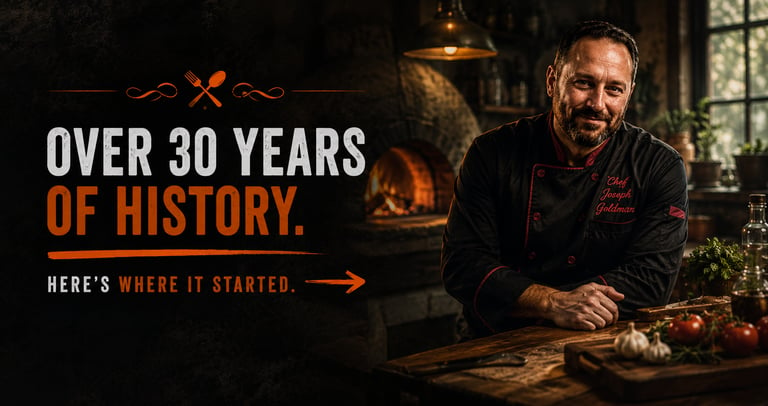
More About Chef Joseph Goldman
I didn't wake up one morning and decide to cook for people in recovery. My path here was a winding one. Starting with feeding myself & simple family meals. To moving through long shifts in hot kitchens and learning the craft the hard way: knife in hand, sleeves rolled up and plenty of mistakes along the way.
I grew up understanding that food had power, even before I had the words for it. My grandmother's brownies could turn a tense family gathering into something approaching peace. My mother's chocolate cake could make any rough day better. A plate of something warm could turn a bad day around. A shared meal could bring silence to an argument or laughter to a room. That stuck with me and when I first stepped into a kitchen as more than a guest, I knew I had found a place where I belonged.
But the journey wasn’t straightforward. My first real kitchen job came at fifteen, in a little Italian mom-and-pop place where I started out after school and on weekends. At first, I was just making dough. Mixing, kneading, portioning, getting my hands covered in flour. It was tedious work, but I began to understand that this was the foundation, the heartbeat of the whole operation. From there, I graduated to shaping pizzas, sliding them into the oven and eventually handling the line on busy nights. I learned that every task, no matter how simple, had its rhythm and its craft That the kitchen was equal parts discipline and chaos, creating “organized chaos” that somehow resulted in plates of food that made customers happy.
I worked my way up slowly, from prep cook, learning to julienne vegetables and break down chickens, understanding that there was an art to even the most basic tasks.
I learned that a sharp knife was safer than a dull one, that mise en place wasn't just organization but philosophy and that the difference between good food and great food often came down to patience and attention to detail.
Cooking professionally sharpened me fast. Restaurants teach you to move with urgency, to respect the clock and to find rhythm in the chaos. I learned how to build flavor, balance a plate and keep going when the tickets didn't stop coming. I learned to work through burns and cuts, to push past exhaustion, to maintain standards even when everything was falling apart. I also learned humility because food will humble you if you get cocky. A sauce can break, a steak can burn and if you're not paying attention, the very thing you're trying to control will slip away.
The restaurant world taught me technical skills, but it also taught me about pressure, perfectionism and the dangerous culture that often surrounds professional kitchens. The drinking after long shifts, the way stress and exhaustion were worn like badges of honor, the toxic masculinity that passed for toughness. I excelled in that environment for years, but I also paid a price for it. The skills I learned were invaluable, but the lifestyle was unsustainable.
Somewhere along the way, I realized I was chasing more than plates and paychecks. I’d spent years moving from one kitchen to another. Different restaurants, different styles, different levels of chaos. Always searching for that rush, that next sense of satisfaction. For a while, each new place gave me what I thought I needed. Then the shine would fade and the same dull feeling would creep back in. I didn’t know what I was looking for anymore.
At one point, I even found a place that felt like home. The kind of place where the crew clicked, the food had soul and every night ended with laughter instead of exhaustion. But in 2020, it was taken out in a bombing. (That’s a whole other story.)
Then one day, a job in recovery crossed my path. It sounded interesting, different, maybe even peaceful. So, I took a chance. What I found changed everything. Cooking in that space wasn’t about status or reviews; it was about people. It was about watching someone who’d lost their appetite for life find it again at the dinner table. I started to see how food could ground a person, how it could comfort, connect and heal in ways no five-star dish ever could.
Pizza nights, Sunday dinners, quiet lunches. It didn’t matter what was on the plate. The power was in the shared moment. Nobody complained on pizza night. Nobody looked at their phones when the soup was good. It reminded me why I started cooking in the first place.
Cooking in a recovery treatment center is different than cooking in a restaurant or catering an event. Here, the meals aren't just food; they're part of the healing process. A hot plate served at the right time can calm nerves, ease loneliness or open up space for conversation. Sometimes, the first real moment of safety someone feels in a day happens at the table, fork in hand.
The first time I cooked for people in recovery, I was nervous in a way I'd never been nervous in professional kitchens. These weren't restaurant customers looking for entertainment; these were people looking for healing.
Their relationship with food, like their relationship with everything else, had been complicated by addiction, trauma and neglect. Some hadn't eaten a real meal in months. Others had been using food as their drug of choice, cycling between restriction and binge. Many had forgotten what it felt like to eat for pleasure, for comfort, for the simple satisfaction of nourishment.
I learned to cook differently in this environment. The techniques were the same, but the intention was completely different. Every meal became an opportunity to show care, to demonstrate that someone was paying attention to their needs, to prove that they were worthy of time and effort and good ingredients. I stopped trying to impress and started trying to nourish. I traded complexity for comfort, innovation for reliability.
The feedback was different too. Instead of compliments on presentation or technique, I got stories. People told me about their grandmother's biscuits, their mother's soup, the last good meal they remembered eating. They talked about how certain flavors brought back memories they thought they'd lost, how the act of eating something delicious reminded them that pleasure was still possible, that life contained good things worth experiencing.
My journey as a chef has taken me through plenty of kitchens, but this one, the one filled with people working to recover, rebuild and rediscover themselves, has taught me the most. Here, food isn't about applause or reviews. It's about people. It's about being steady when the world feels shaky. It's about reminding someone that they deserve care and that nourishment can reach deeper than the stomach.
I've learned that the most important ingredient isn't listed in any recipe: it's attention. Attention to what people need, what comforts them, what challenges them in helpful ways. Attention to the stories they tell about food, the memories that surface when they taste certain flavors, the ways that sharing meals opens doors that therapy sessions sometimes can't.
I've also learned that cooking for people in recovery requires a different kind of patience. Progress isn't measured in perfect plates or five-star reviews, but in small moments of connection, in someone asking for seconds, in laughter over a shared meal, in the gradual rebuilding of trust in their own ability to make choices that serve them well.
That's the journey that led me here and it's the heart behind this book. Every recipe, every story, every piece of advice comes from years of watching food work its quiet magic in the lives of people who needed healing. This book is my attempt to share what I've learned about the power of food to comfort, nourish and heal, not just in treatment centers but in everyday life, for anyone who needs reminding that they deserve to be cared for, starting with the simple act of eating well.
Because food isn’t just nourishment. It’s belonging. It’s hope. It’s Healing